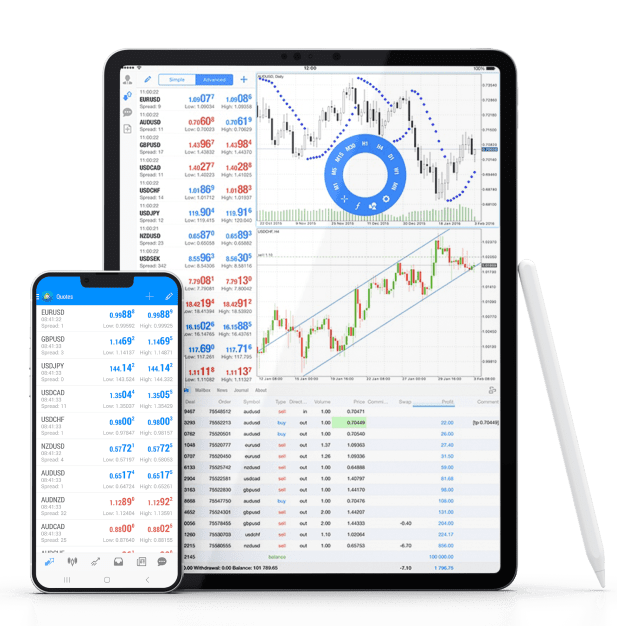
Contracts for Difference (CFDs) have become a trending tool for modern investors looking to expand their portfolios. With online trading gaining popularity, CFDs offer unique advantages that make them an appealing choice for newcomers and experienced traders alike. This article explores why investors are increasingly opting for cfd trading as part of their financial strategies.
What Are CFDs?
A Contract for Difference, or CFD, is a flexible financial derivative that allows you to trade on the price movements of assets without owning the underlying entity. Assets typically include stocks, indices, commodities, and forex. The primary appeal lies in its speculative nature—you can profit from both rising and falling markets.
Key Advantages of CFD Trading
1. Access to a Variety of Markets
CFDs open the door to multiple global markets with a single platform. You can trade across various asset classes, from commodities like oil and gold to international stocks and forex pairs. This level of diversity allows investors to easily explore opportunities and spread risk across different market segments.
For example, you can trade a NASDAQ-listed company and European commodities within the same account without purchasing the actual shares or physical goods.
2. Leverage for Greater Exposure
One significant advantage of CFD trading is leverage. With CFDs, investors can control larger positions with only a fraction of the total investment amount, referred to as a “margin.” For instance, if a trader wants to open a $10,000 position, they might only need to deposit $1,000, depending on the margin requirements.
Leverage maximizes potential profits, but it also increases risks. Therefore, this feature is best suited for traders with a strong risk management strategy.
3. Profiting from Rising or Falling Markets
CFDs allow traders to take both long (buy) and short (sell) positions. This means you can profit whether the market trends up or down. For example, if you expect a stock to increase, you can go long; if you anticipate a decline, you can short-sell it.
This flexibility allows investors to hedge existing portfolios. For instance, if you own physical shares of a stock but expect short-term declines, you can use CFD trading to offset potential losses.
4. No Ownership of the Underlying Asset
One of the standout benefits of CFDs is that they do not require ownership of the underlying asset. This advantage eliminates additional costs, such as stamp duties, storage fees, or delivery charges, commonly associated with trading physical assets.
For example, when trading commodities like gold, physical ownership requires storage and insurance. CFDs cut out these barriers, making trading far more practical and cost-effective.
5. 24/5 Market Accessibility
Many CFD markets operate around the clock, allowing traders to act on global market movements day or night. This accessibility is crucial for people who want to take advantage of time-sensitive opportunities in international markets.
Final Thoughts
CFD trading offers unparalleled flexibility and accessibility for investors seeking dynamic opportunities. With features such as diverse market access, leverage, and the ability to profit in both rising and falling markets, CFDs are an excellent tool for diversifying portfolios. However, investors should also stay mindful of associated risks, particularly with leveraged positions.
The Advantages of CFD Trading for Investors
Posted 1 year ago by